Interfaith Consultation Meeting on Environment and Climate Action
Organized by Norwegian Church Aid (NCA) in collaboration with Bargad
14 February 2025 | Lahore, Pakistan
On 14 February 2025, Norwegian Church Aid (NCA), in partnership with Bargad, organized a high-level interfaith consultation meeting in Lahore. The meeting brought together faith leaders from different religious communities to discuss the growing climate crisis in Pakistan and to explore the constructive role faith actors can play in promoting environmental protection and climate resilience.
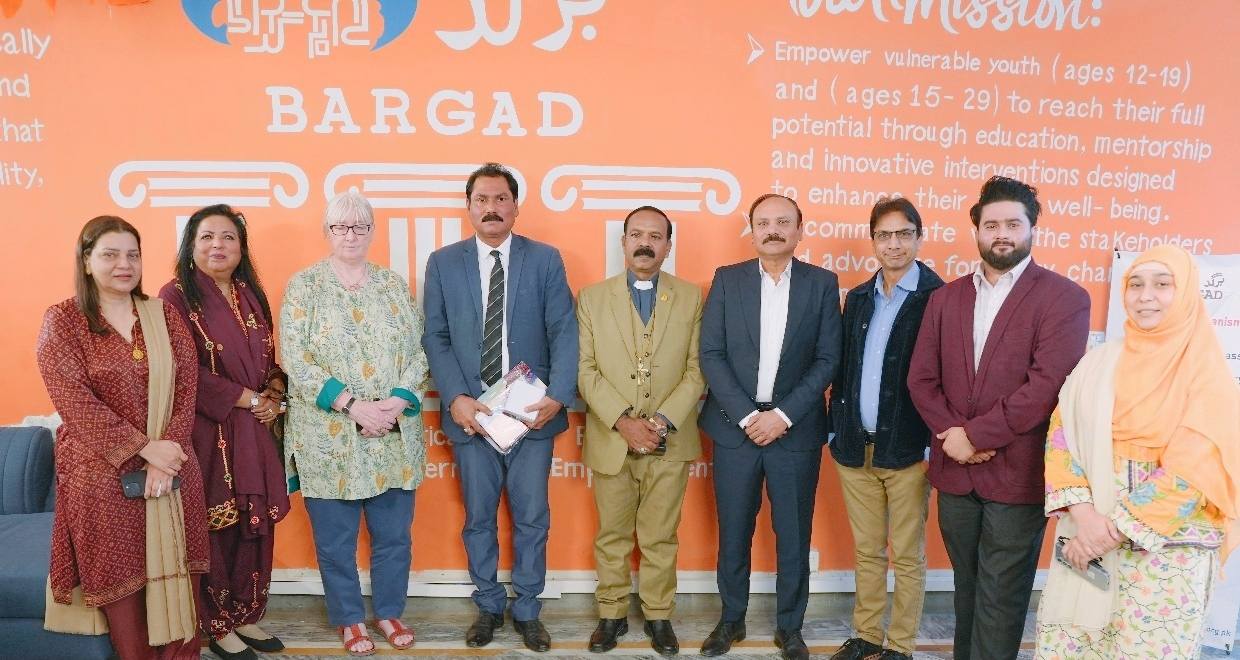
The consultation aimed to strengthen interfaith collaboration and encourage collective action to address climate-related challenges affecting vulnerable communities across Pakistan.
The key objectives of the consultation were:
To introduce the mandate, mission, and global work of Norwegian Church Aid (NCA).
To highlight Pakistan’s vulnerability to climate change.
To explore the role of faith leaders in promoting environmental awareness and climate action.
To encourage interfaith cooperation on environmental protection initiatives.
To identify opportunities for collaboration between civil society and religious institutions.
The Country Head of Norwegian Church Aid hosted the meeting and presented an overview of the organization. She shared that NCA is a faith-based humanitarian and development organization operating in 24 countries worldwide. The organization works alongside communities, governments, and partner organizations to eradicate poverty, reduce inequality, and respond to humanitarian crises.
NCA prioritizes support for the most vulnerable populations, regardless of ethnicity, religion, political affiliation, or creed. Its work is guided by principles of human dignity, justice, and solidarity.
The Country Head emphasized that environmental protection and climate justice are emerging global priorities within NCA’s programming framework.
The meeting highlighted the serious climate challenges facing Pakistan.
According to the Global Climate Risk Index, Pakistan ranks eighth among the countries most vulnerable to climate change. In recent years, the country has experienced:
Severe floods
Prolonged heatwaves
Droughts
Irregular rainfall patterns
Extreme weather events
These climate-induced disasters have significantly impacted livelihoods, food security, health systems, and infrastructure, particularly affecting marginalized and low-income communities.
Despite being among the most climate-vulnerable countries, Pakistan remains one of the least prepared to effectively respond to and mitigate climate risks. Limited resources, institutional gaps, and insufficient community-level preparedness further exacerbate the situation.
A central theme of the consultation was the important role faith leaders can play in environmental protection and climate advocacy.
Faith leaders hold moral authority and influence within their communities. They can:
Promote environmental stewardship based on religious teachings.
Raise awareness about climate change and sustainable practices.
Encourage responsible consumption and conservation of natural resources.
Mobilize communities for tree plantation, waste management, and water conservation initiatives.
Advocate for climate justice and protection of vulnerable populations.
Participants acknowledged that all major religions emphasize care for creation, responsibility toward future generations, and compassion for those affected by disasters. By integrating environmental messages into sermons, teachings, and community programs, faith leaders can significantly contribute to behavioural change and community resilience.
The consultation facilitated meaningful dialogue among representatives of diverse religious communities. Key outcomes included:
Recognition of climate change as both a humanitarian and moral issue.
Agreement on the need for interfaith collaboration in promoting environmental awareness.
Commitment to integrate climate and environmental themes into faith-based community engagements.
Interest in developing joint interfaith initiatives focused on climate resilience and sustainable development.
The meeting served as a foundation for building partnerships between NCA, civil society organizations, and faith-based institutions to advance environmental and climate-related programming.
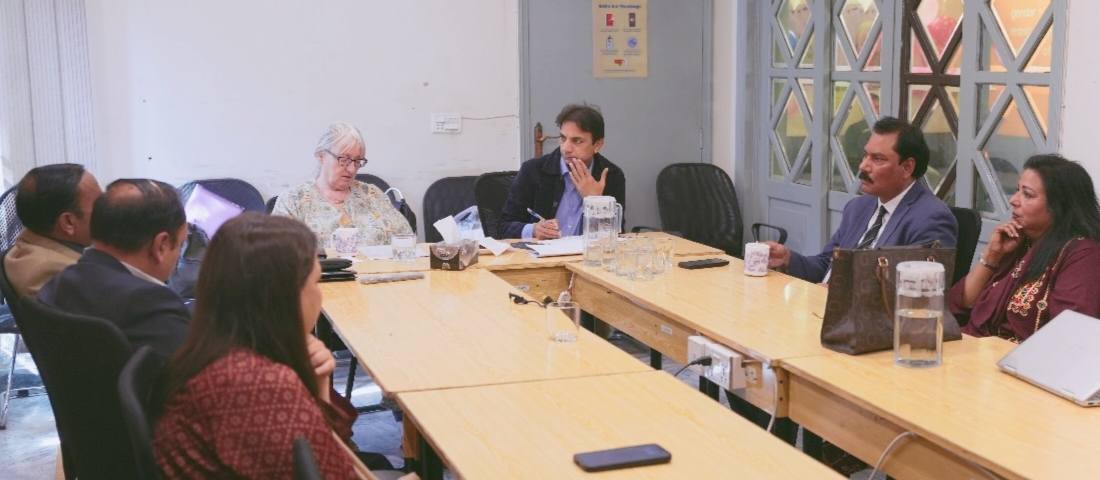
The consultation was attended by faith leaders from multiple religious backgrounds, representatives of civil society organizations, and development practitioners. I participated in this high-level meeting as a representative of Peace Center, Lahore.
The interfaith consultation organized by Norwegian Church Aid (NCA) and Bargad provided an important platform for dialogue, reflection, and collaboration on climate change and environmental protection in Pakistan.
Given Pakistan’s high vulnerability to climate impacts, faith leaders can play a transformative role in mobilizing communities toward sustainable practices and climate resilience. Strengthening interfaith cooperation and integrating environmental advocacy within religious platforms can contribute significantly to national and local climate action efforts.
The meeting marked a meaningful step toward fostering faith-based engagement in environmental justice and sustainable development in Pakistan.
Prepared by:
Asher Nazir
Executive Secretary
Peace Center Lahore



